Our group
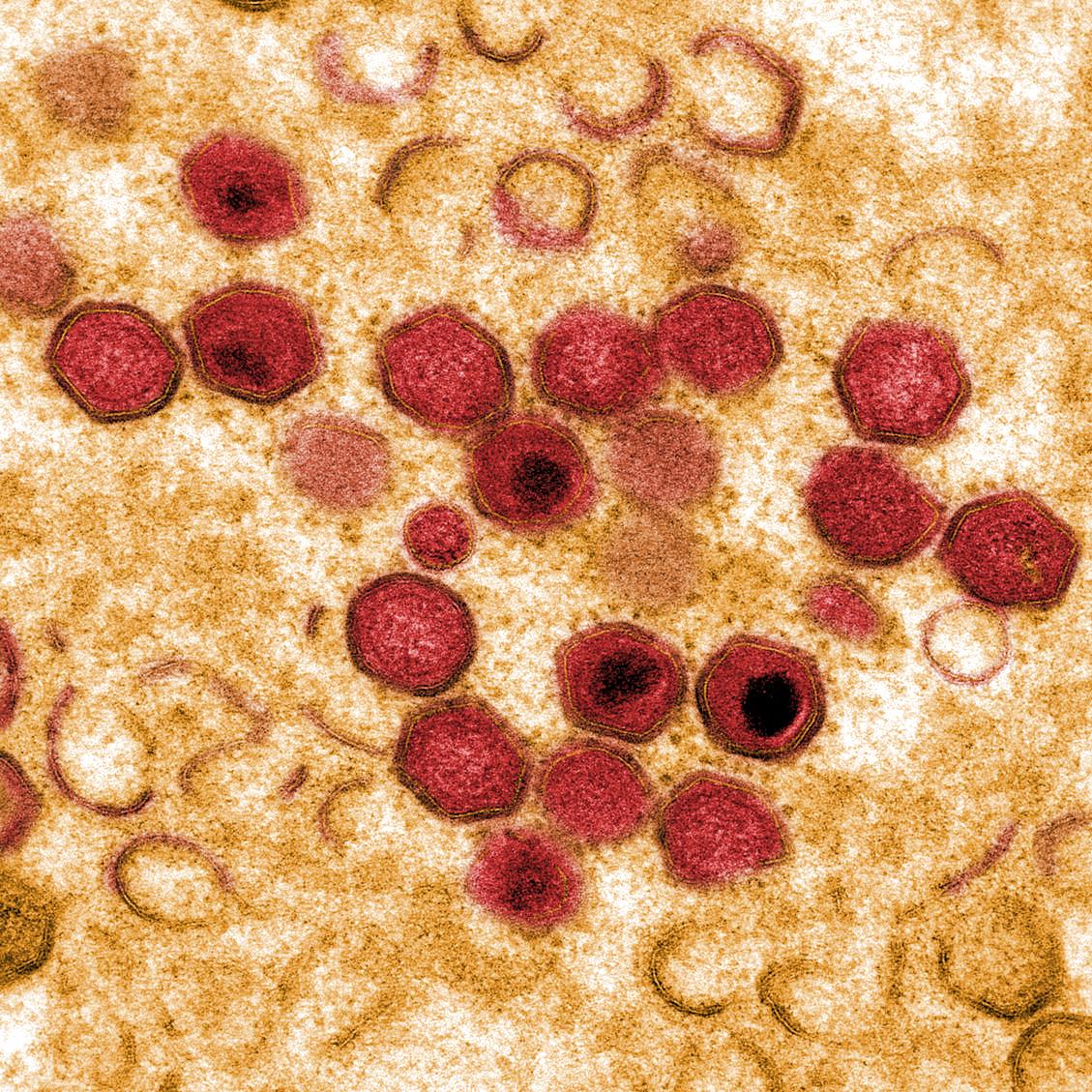
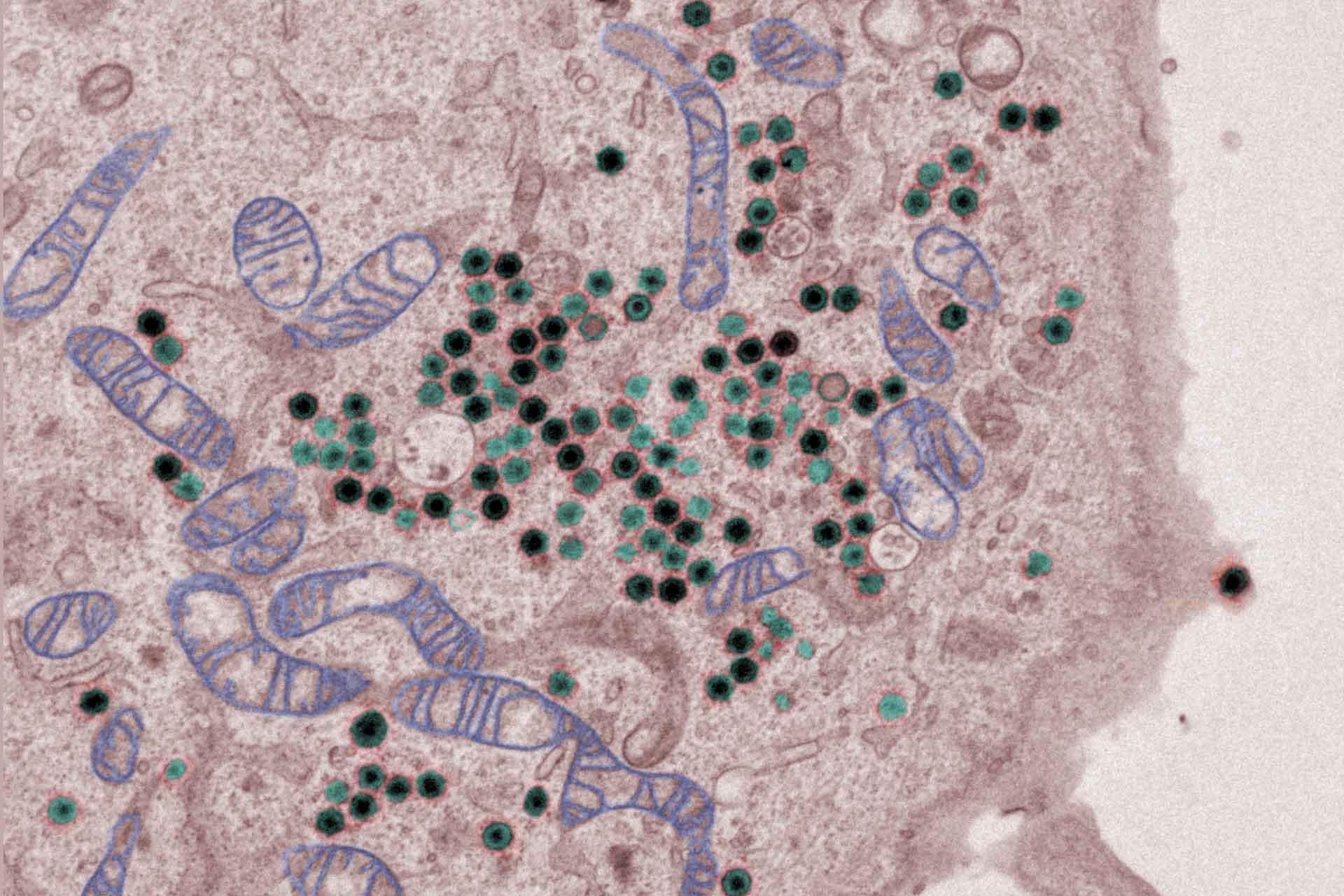
The African swine fever vaccinology group focuses on applied and fundamental research into the large DNA virus that causes African swine fever (ASF), a lethal haemorrhagic disease in pigs and wild boar. Control of African swine fever is limited to slaughter and quarantine of infected animals due to the lack of a vaccine.
Our aims
One of the main aims of the African swine fever vaccinology group is to guide the design of vaccines against African swine fever (ASF) through a combination of functional genomics, identifying correlates of protection and gaining a deeper understanding of host-pathogen interactions. We aim to identify correlates of protection by analysing the adaptive immune response of pigs protected from virulent African swine fever virus (ASFV) by experimental vaccines.
Our research

Correlates of protection. We are developing tools to understand the protective immune response to African swine fever in pigs and use this information to guide vaccine design. The T-cell response is important in protection, however the role and function of individual subsets is poorly defined and these are being explored in our different vaccine models. The role of antibodies in protection is also not well understood and is an active area of our research.
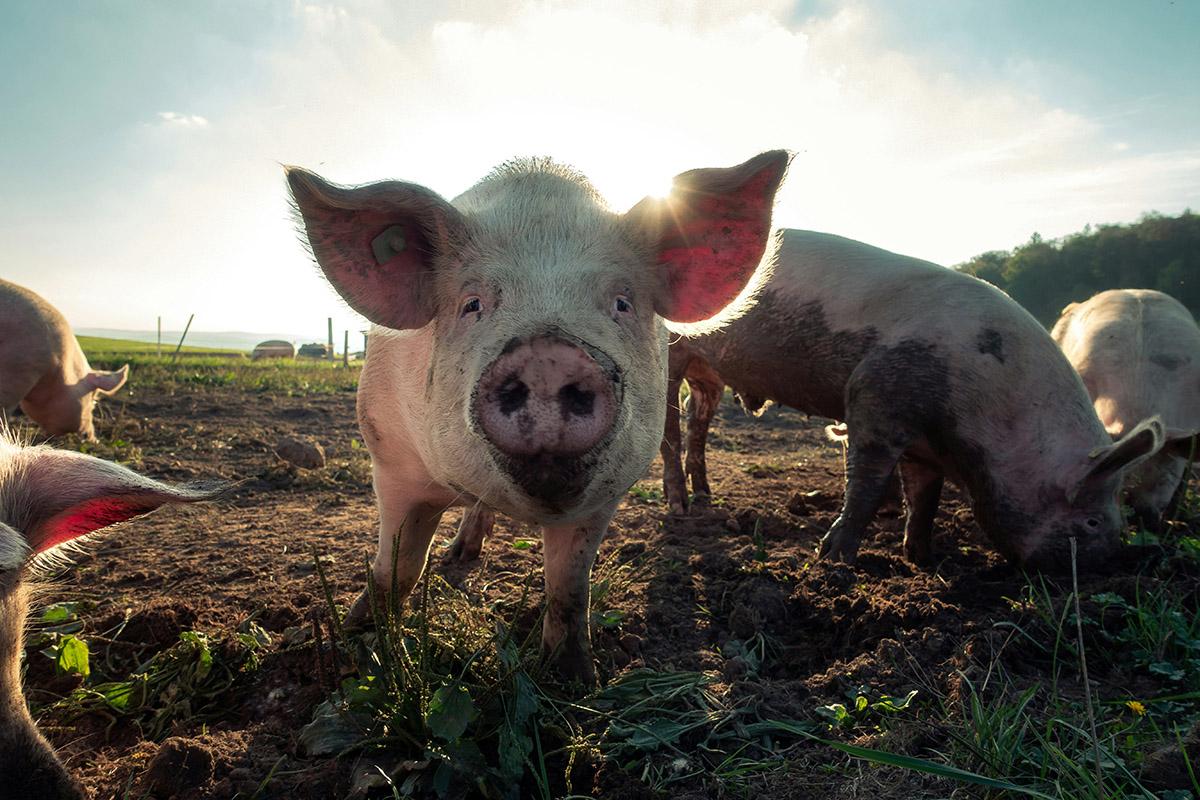
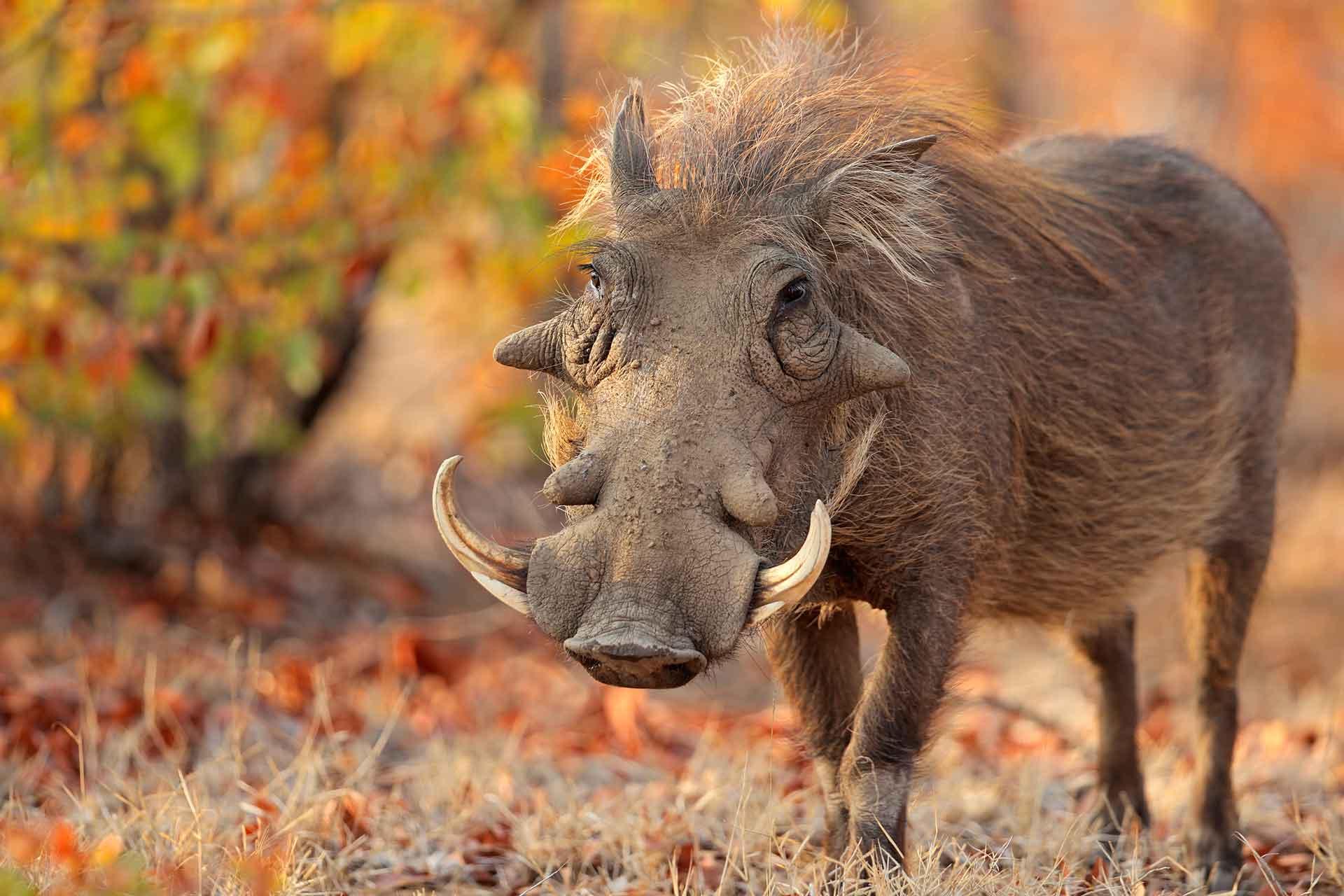
Identification of protective antigens. We are using different approaches to identify potentially protective proteins out of the more than 250 encoded by the viral genome. Selected proteins will be incorporated into vaccine vectors for immunisation and challenge experiments in pigs.Host pathogen interactions. Although African swine fever virus causes a horrible disease in domestic pigs and wild boar; African suids, i.e. bushpigs, red river hogs and warthogs are resistant. Understanding the differences in the host response in these different animals could support vaccine design, as well as identify routes to develop resistant pigs, either through breeding or precision engineering.
Genetic Diversity. We are sequencing Pirbright's reference collection of ASFV isolates to improve our understanding of the genetic diversity of this complex virus and help guide the development of cross-protective vaccines. We also collaborate with international partners on sequencing projects to get a better understanding of the genetic diversity of viruses circulating in the field. We support the GAP-DC project that aims to enhance the United Kingdom’s resilience to pathogens by improving early detection through genomic methods. We are part of an international partnership exploring mechanisms of host resistance to African swine fever and an international partnership to develop next generation vaccines. At Pirbright we work closely with the African swine fever immune evasion group and the non-vesicular disease reference laboratory, as well as the high-throughput sequencing, bioinformatics, flow cytometry and bioimaging science technology platforms.
Our impact
African swine fever is a continual threat to global food security. In Africa the disease restricts the development of a thriving pig sector and the outbreak in China in 2018 ultimately led to a decrease in the Chinese pig herd of nearly 40%. The UK exported £496m worth of pig meat in 2025, of which more than half was to countries outside of the EU (Source: Agriculture and Horticulture Development Board). The English pig industry was calculated to contribute £304.9m net to the UK economy in 2012 (Source: The real value of English red meat, Matrix 2012). Therefore ASF has the potential to cause a great deal of economic damage to the UK.
ASFV is endemic in much of sub-Saharan Africa where it causes significant loss of stock in commercial and backyard farms. The ability to effectively control ASFV would have great economic and social value in the developing world, both at a local level where pig farming represents an opportunity for the rural poor of a long term income stream as well as a source of cash in an emergency, and at the national level by removing barriers to trade.