
Postinfection Pig and Ferret Antisera Show Similar Antigenic Profiles for Human Influenza A(H1N1pdm09) Viruses
ABSTRACT
Background
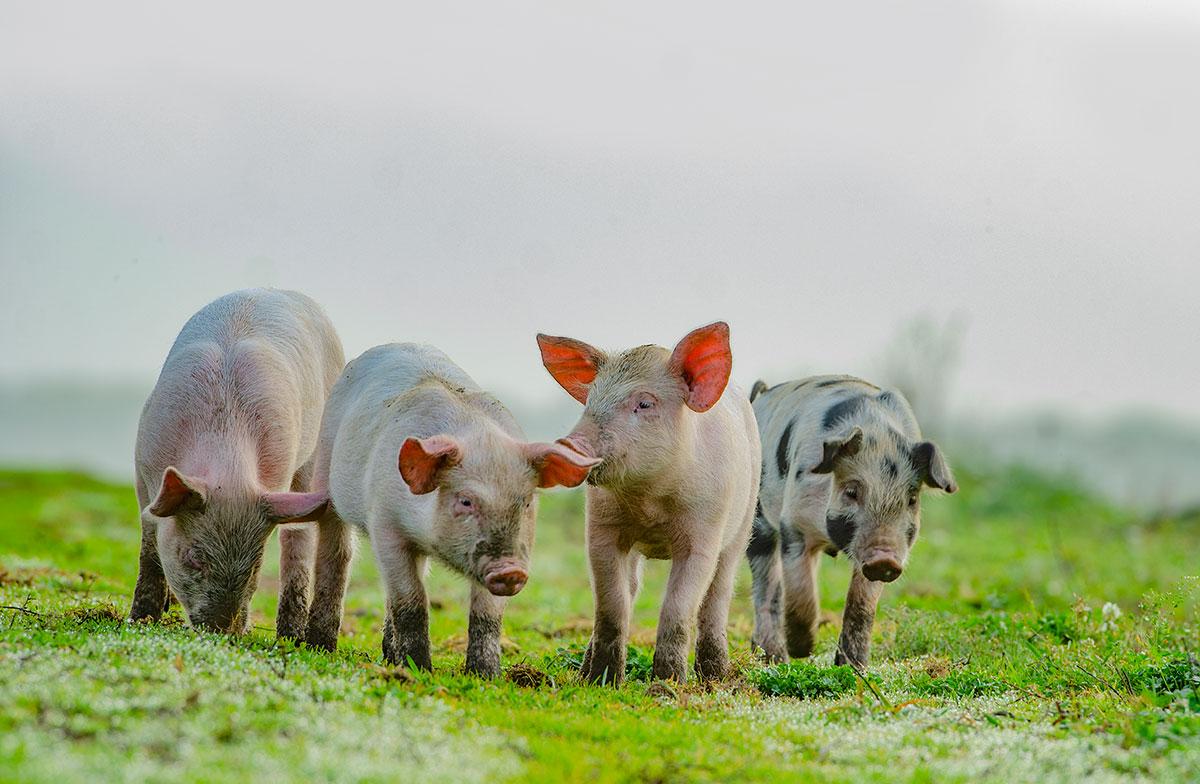
Monitoring antigenic drift in human influenza A viruses is essential for vaccine strain selection and ensuring protection against circulating strains. Antigenic drift is traditionally assessed using ferret antisera, which provide monospecific responses and human vaccinee sera, which reflect exposure to multiple antigens. In this study, we evaluated the pig as an alternative source of antisera to study antigenic drift compared with immune responses in ferrets and humans. We included seasonal influenza A(H1N1pdm09) human viruses that had shown different antigenic characteristics when using ferret or human antisera.
Methods
Pairs of pigs were inoculated with six human A(H1N1)pdm09 viruses circulating between 2019 and 2023, a period of marked antigenic drift. Pig and ferret antisera raised against these six reference viruses were analysed by haemagglutination inhibition (HI) and virus neutralisation (VN), and homologous and heterologous titre differences were used to assess antigenic reactivity profiles among the viruses between species.
Results
Pigs were successfully infected with all strains, shedding virus and producing antibody responses, confirming their susceptibility to human influenza A viruses. Antigenic reactivity of pig antisera was qualitatively comparable to ferret antisera in both HI and VN assays, although maximum homologous antibody titres were significantly higher in ferrets (on average 16‐fold for HI and from around 12‐ to 210‐fold for VN). The antisera raised against viruses in circulation in 2019 and before, exemplified by A/Guangdong‐Maonan/SWL1536/2019, clade 5a.1, were clearly differentiated by both ferret and pig antisera from those in clade 5a.2 and its derivatives that became predominant.
Conclusions
Ferrets and pigs showed comparable responses and both distinguished clade 5a.1 from clade 5a.2. However, neither model recognised antigenically drifted variants from 2019 to 2022, including subclades 5a.2‐C, 5a.2a‐C.1/C.1.9 and 5a.2a.1‐C.1.1/D, which were distinguishable using human postvaccination antisera.