


Protecting pigs from Porcine Reproductive and Respiratory Syndrome (PRRS)
The Problem
Porcine reproductive and respiratory syndrome (PRRS) is a major viral pig disease causing significant economic losses and animal suffering. Infection leads to reproductive failure in sows and respiratory disease in piglets. Current vaccines only protect against closely related strains, while the virus itself is highly variable.
The Key Question
Why do some foetuses in the same litter survive infection while others do not?
To answer this, we focus on the maternal-foetal interface - where the mother’s uterus meets the foetal placenta. The porcine placenta has long been thought to be impenetrable to migrating cells, but recent findings question this.
We want to determine whether immune cells in the foetal placenta originate from the foetus or migrate from the mother.
Our Approach
We use genetic markers to trace the origin of PRRSV-specific immune cells. If true foetal immunity exists, this could pave the way for vaccines that protect piglets before birth.
At the same time, we are building a detailed cellular atlas of the maternal-foetal interface in both healthy and infected tissue. This includes:
- Single-cell and spatial gene expression analysis
- Immune cell protein profiling
- Histology
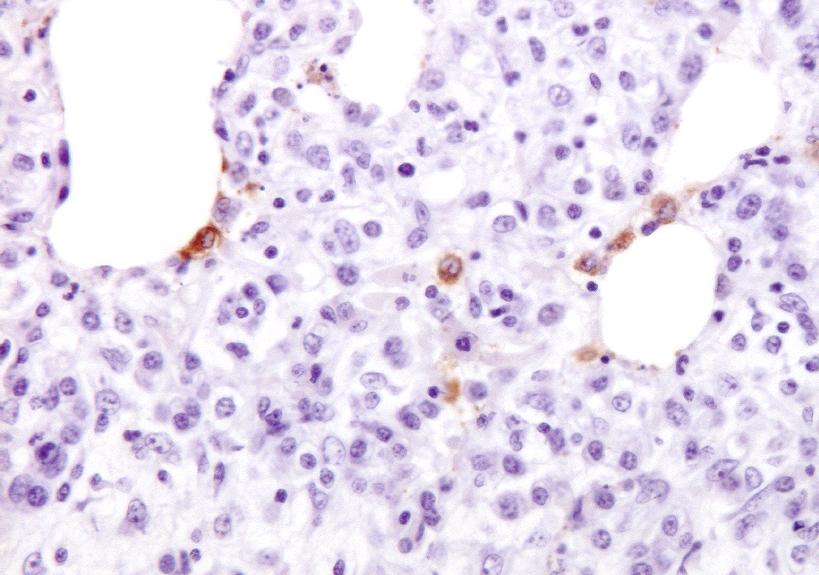
- Precision-cut tissue slices to model early immune responses outside the animal
Why It Matters
Understanding how immune responses are regulated at the maternal-foetal interface will reveal which signals drive protection versus damage during infection.
In the long term, this knowledge will enable safer vaccination strategies, improved herd management, and enhanced animal welfare – benefitting both farmers and consumers.

Research group
Start date: December 2025
Funding


External Partners
University of Veterinary Medicine Vienna, Swine Medicine, Austria
1. Prof Andrea Ladinig: Andrea brings expertise in pig health and reproduction, linking real-world disease outcomes with research on infection at the maternal–foetal interface.
2. Dr Melissa Stas: Melissa studies how pigs’ immune systems respond to viral infections, helping to explain why some animals are protected while others develop disease.
University of Cordoba, Anatomy, Comparative Pathology and Toxicology, Spain
1. Prof Irene Rodríguez Gómez: Irene examines how PRRSV affects tissues, providing key insights into how infection impacts the placenta and developing foetus.
2. Prof Jaime Gómez Laguna: Jaime explores how PRRSV causes disease in pigs, combining pathology and immunology to identify pathways that lead to protection or damage.