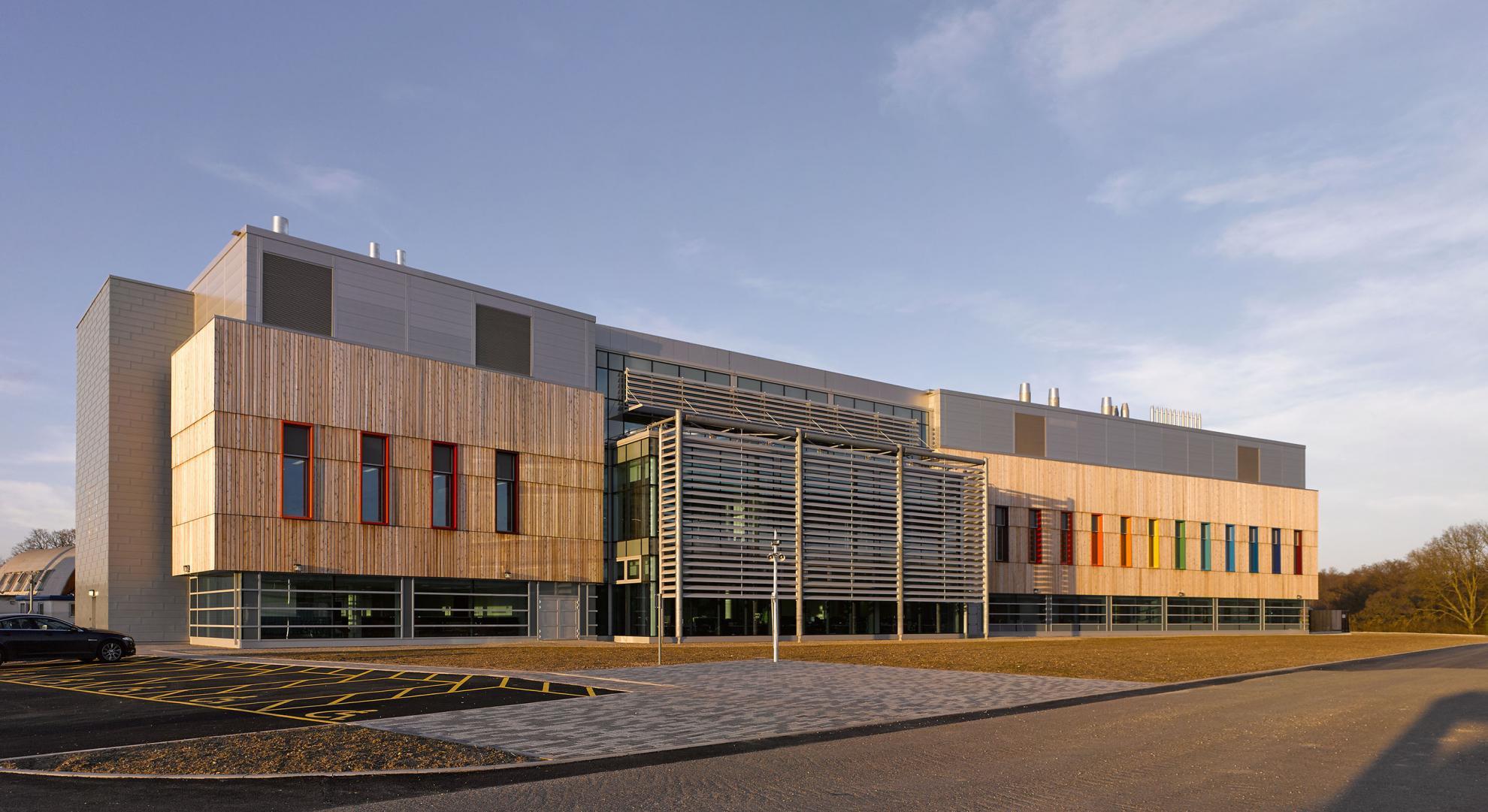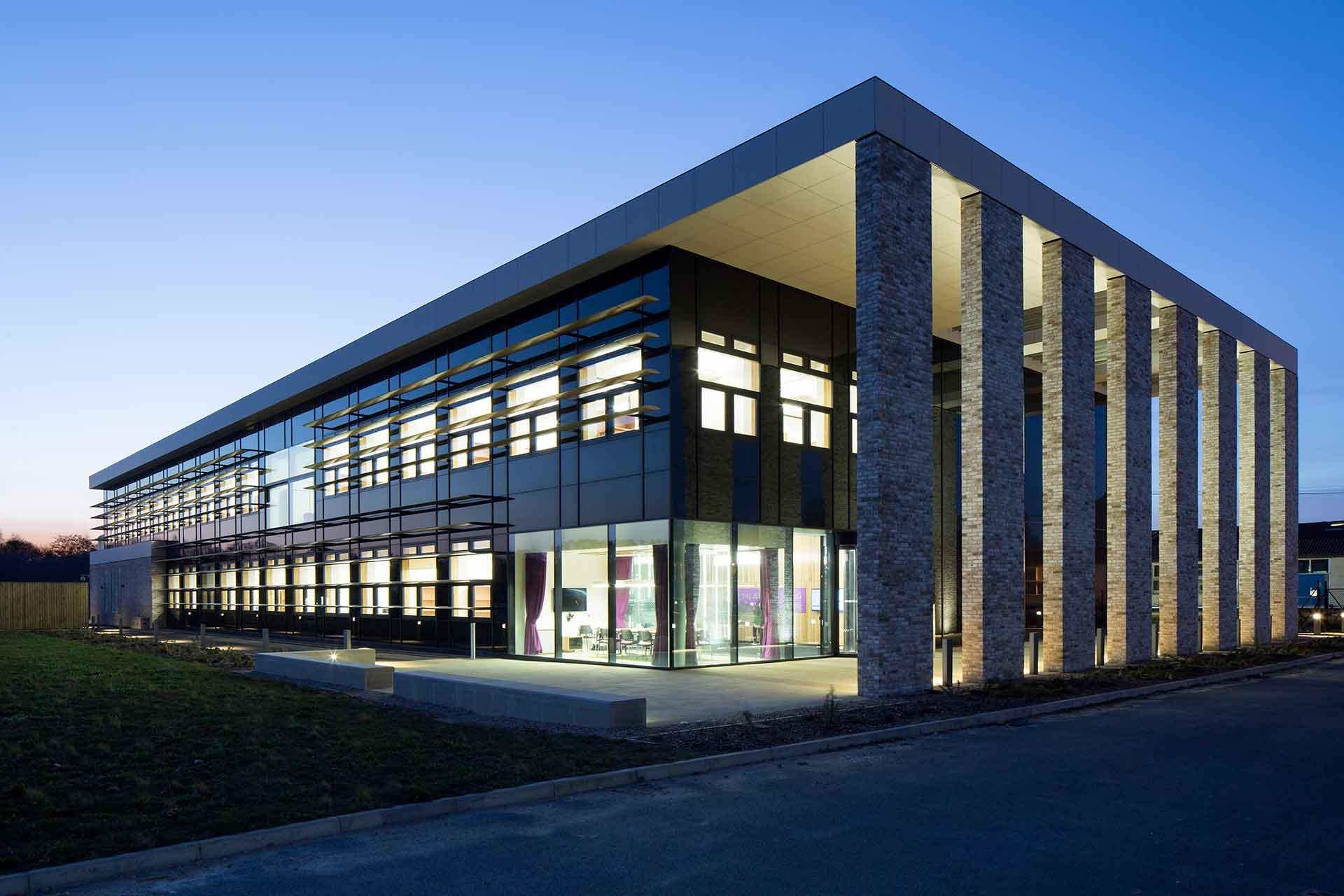


High-containment laboratories rely on carefully designed engineering systems that prevent the escape of dangerous pathogens. Maintaining these systems requires specialist knowledge that combines engineering, biosafety principles, and operational planning. This training course, delivered by experts at The Pirbright Institute, introduces the fundamental engineering systems behind the containment barrier, and explains how they are managed, maintained and validated.
If you prefer to listen, here is a short overview of the course:
Who should complete this eLearning?
This course is designed primarily for maintenance staff new to biocontainment engineering (including facility engineers, technical staff entering biocontainment environments, and apprentices working in mechanical or electrical engineering), along with facility managers and biosafety advisors/officers who are interested in finding out more about the operation and upkeep of engineering elements of the biocontainment barrier.
Course details
- Blended learning (5 hours eLearning and 3.5 days of in-person training at The Pirbright Institute)
- Dates:
- May 2027
- £2,200 ex VAT (The price does not include accommodation or transport to the course venue)
- Internet required
- Limited to 8 participants
Requirements and qualifications
No prior knowledge of containment is required. However, an interest in engineering is advantageous. This course is presented in English.
Course description
The course is a blended training that is comprised of eLearning (approximately 5 hours) and an in-person workshop at The Pirbright Institute (3.5 Days). It explores good working practices based on fundamental principles (e.g. those outlined in European Standards and the United Kingdom legislation) as each engineering equipment and system will require unique maintenance and testing procedures dictated by the manufacturer. While certain operational practices implemented at The Pirbright Institute are discussed, this is only done to demonstrate how those fundamental principles can be implemented.
The training is structured over four learning pillars:
- The fundamentals of biocontainment (eLearning) – An introduction to the concept of biological containment; it defines fundamental terms and principles that will be explored during the in-person part of the training (including the definition of biological hazards and containment levels, classification of biological hazards, compliance, safe systems of work, and the risk assessment)
- Biocontainment engineering theory – An overview of the operation and generic maintenance requirements of common barrier systems (including air pressure resistant doors, effluent treatment plants, autoclaves, air handling and filtration, and sealability/fumigation)
- Biocontainment engineering practice – Hands-on practical sessions designed to bring a practical understanding to the theory covered in the classroom; focusing on the validation of HEPA filters in the air handling system (drawing on EN 1822), and testing and validation of Class I, II and III biological safety cabinets (drawing on EN 12469)
- Managing biocontainment engineering – An introduction to the principles of engineering management (including reactive and planned maintenance, planning and resourcing of activities through computerised maintenance management systems, and the importance of working safety and process safety)
The in-person workshop will include:
- Classroom sessions led by subject matter experts
- Tours of plant rooms in high-containment facilities
- Exercises on
- HEPA filter validation
- Biological safety cabinet testing (in accordance with EN 12469)
Learning outcomes
On completion, participants will gain an understanding of:
- What pathogens are, and how they are classified
- The consequences of pathogen escape
- The purpose of the containment barrier
- Key engineering principles used to maintain containment
- Testing and validation processes used in high-containment facilities
- The balance between planned and reactive maintenance
Facilitators
This course has been developed by Pirbright Training, which is the external training team of The Pirbright Institute. All contents have been prepared in collaboration with subject matter experts at The Pirbright Institute, ensuring that all information is factually-correct.
The course will be facilitated by subject matter experts working at The Pirbright Institute, including members of:
- The in-house engineering department
- The Pirbright Training team
Certificate
Upon successful completion you will receive a certificate of completion.
Next steps
- Read our FAQs
- Contact Pirbright Training for more information