

Who should complete this eLearning?
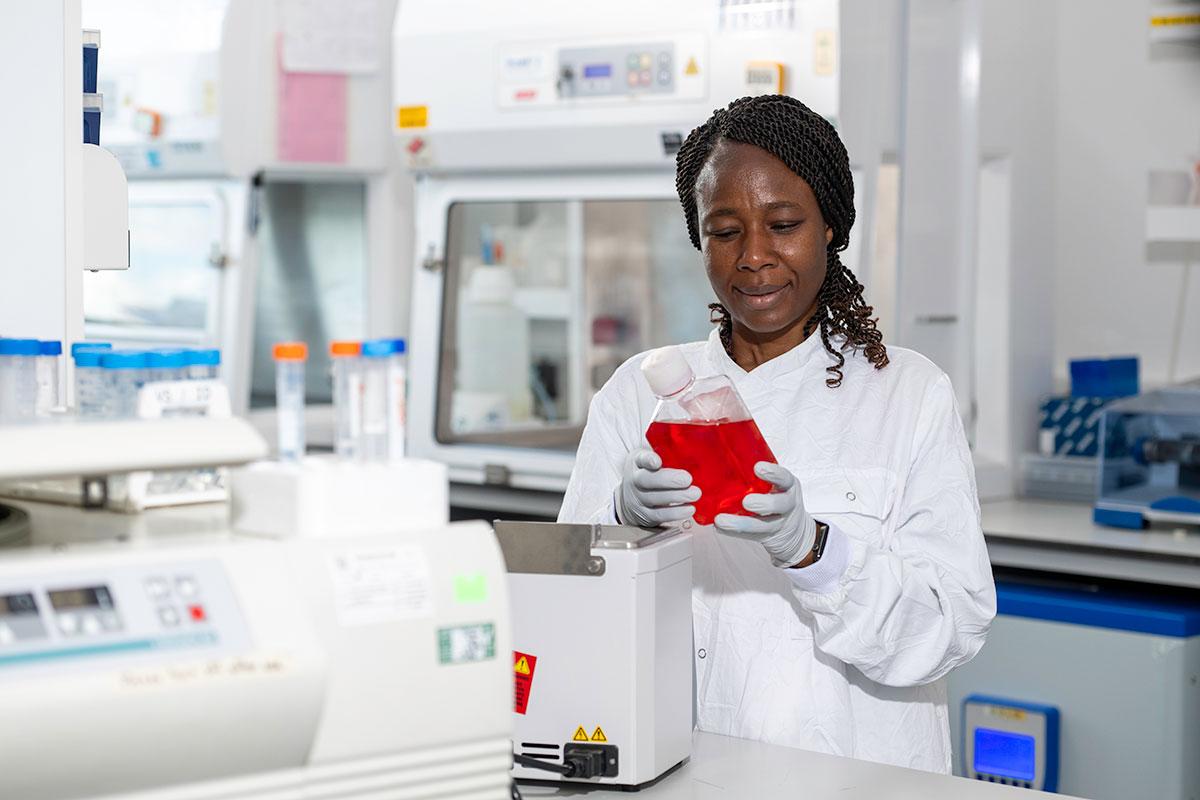
This eLearning is aimed primarily at research scientists and technician across all sector of biosciences (including research, diagnostics, manufacturing) who intend to work in CL3/BSL3 laboratories with no prior experience.
Note: The material presented in this eLearning is based primarily on universal principles, such as those outlined by the World Health Organization (WHO). While this eLearning mentions specific UK and international law at different points, this is to provide examples of how some of those fundamental principles are legislated. Hence, this eLearning is open to audiences from any country or geographical location.
Course details
- 16-hour course
- £1,200 ex VAT
- Internet required
- Self-directed
Requirements and qualifications
Basic understanding of how biological laboratories are operated is recommended. This eLearning is presented in English.
Course description
Containment/biosafety level 3 (CL3/BSL3) laboratories are specifically designed, constructed, operated, managed and regulated to ensure that pathogens that pose serious risk to human and animal health (e.g. Bacillus anthracis, West Nile virus) are handled safely. Consequently, they play a critical role in infectious disease research, public health protection, and biodefense.
To ensure that hazardous pathogens are not transmitted to laboratory staff or released into the environment, CL3/BSL3 laboratories must:
- Implement suitable, sufficient, proportionate and sustainable engineering control measures that are compliant with all applicable legal requirements
- Promote strong safety culture
- Implement an efficient and risk-based approach to good microbiological practices and procedures, waste management, emergency preparedness and response, and competence and training
This eLearning provides an overview of the principles for working safely in CL3/BSL3 laboratories. The theoretical knowledge presented herein should form the foundation upon which practical experience of working at CL3/BSL3 is built.
This eLearning is divided into sixteen parts, each with its own unique objectives:
- Introduction to Biological Hazards
- Management of Biological Hazards
- Principles of Risk Assessment
- Steps of Risk Assessment
- Principles of Biological Containment
- Laboratory Design and Operation
- Introduction to Biosafety-Critical Equipment
- Introduction to Biosecurity
- Good Microbiological Practice and Procedures
- Principles of PPE
- Types of PPE
- Principles of Infectious Biological Waste Management
- Methods of Infectious Waste Treatment
- Emergency Preparedness and Response
- Biological Incidents
- Competence and Training
Learning outcomes
You will be able to:
- Describe biological hazards
- Describe classification of pathogens into hazard groups
- Describe legal framework and statutory oversight
- Describe a culture of safety in an organisation
- Describe a biosafety programme
- Explain the risk assessment process and its steps
- Describe the design and operation of CL3/BSL3 laboratories
- Describe biosecurity and its elements
- Describe the principles of good microbiological practice and procedures
- Describe key types of laboratory PPE, and how to use them correctly
- Explain principles of waste management, decontamination, disinfection and sterilisation
- Explain emergency preparedness and response
- Compare training and competence
- Describe key element of effective competence management
Assessment and certificate
Each part of this eLearning will end with a multiple-choice quiz with a pass mark of 70%. Upon successful completion you will receive a certificate of completion.
Please note that the knowledge of specific national legislation is not part of the learning objectives and will not be tested during the assessment.
Next steps
- Read our FAQs
- Contact Pirbright Training for more information